



16790753702383.jpg?v=1679075372)

16790746985853.jpg?v=1679074700)


16790757289763.jpg?v=1679075731)

If you've recently given birth and find yourself waking up in damp sheets or sweating through your clothes during the day, you're not alone. Postpartum sweating is one of the most common — and least talked about — recovery symptoms new mothers experience.
The good news: it's temporary, it's normal, and there are simple ways to stay more comfortable while your body adjusts.
If you are still pregnant or planning ahead, our pregnancy-safe deodorant guide walks through what to look for in ingredients and formulation.
Why Does Postpartum Sweating Happen?
After delivery, your body goes through a rapid hormonal shift. During pregnancy, your estrogen and progesterone levels are at their highest. After birth, these hormones drop dramatically — sometimes within hours.
This sudden hormonal change affects your hypothalamus, the part of your brain that regulates body temperature. When hormones fluctuate, your hypothalamus can misread your body's temperature signals and trigger sweating to cool you down — even when you're not actually overheating.
There's also a fluid factor. During pregnancy, your body retains significantly more fluid — up to 50 percent more blood volume. After delivery, your body needs to shed that extra fluid. Sweating is one of the ways it does this, alongside increased urination.
How Long Does Postpartum Sweating Last?
For most new mothers, postpartum sweating is most intense during the first two to six weeks after delivery. Night sweats tend to peak in the first one to two weeks and then gradually decrease.
By six weeks postpartum, most women notice a significant improvement. However, if you're breastfeeding, hormonal fluctuations may continue, and some sweating may persist until you wean.
If excessive sweating continues well beyond six weeks or is accompanied by fever, rapid heart rate, or unexplained weight loss, it's worth checking in with your healthcare provider. These could be signs of a thyroid issue or other condition that needs attention.
Is Postpartum Night Sweating Normal?
Yes. Night sweats are one of the hallmark symptoms of postpartum recovery. Many new mothers report waking up with their pajamas and sheets soaked through — sometimes multiple times per night.
This is your body's way of releasing excess fluid and adjusting to the post-pregnancy hormonal landscape. It's similar to the mechanism behind hot flashes during menopause, which are also driven by hormonal changes affecting the body's thermostat.
While uncomfortable, postpartum night sweats on their own are not a cause for concern. They're a sign that your body is recovering.
How Can You Manage Postpartum Sweating?
You can't stop postpartum sweating entirely — it's a necessary part of recovery. But you can make yourself significantly more comfortable.
Sleep on a towel or moisture-wicking sheet
Place a towel over your pillow and under your body to absorb nighttime sweat. Better yet, switch to moisture-wicking sheets or a mattress protector designed for temperature regulation.
Dress in layers
Lightweight, breathable fabrics make it easier to adjust as your body temperature fluctuates. Cotton and bamboo are good choices for pajamas and daytime clothing. Avoid heavy synthetic fabrics that trap heat.
Stay hydrated
It may seem counterintuitive, but staying well-hydrated actually helps regulate your body temperature. Drink plenty of water throughout the day, especially if you're breastfeeding.
Keep your room cool
Lower your thermostat at night and use a fan. A cooler sleep environment helps reduce the intensity of night sweats.
Use a gentle antiperspirant
For daytime sweat management, a gentle antiperspirant can help. Carpe Underarm Antiperspirant goes on smooth and dries clear, with a formula that's been tested for skin safety. It features Triple Action Protection — helping to control sweat, target odor-causing bacteria, and nourish skin. For anyone concerned about irritation during this sensitive time, Carpe has been shown to be non-irritating in independent studies.
Address face and breast sweat
New mothers often experience sweating on the face and under the breasts — areas that can be particularly uncomfortable during feeding and close contact with baby.
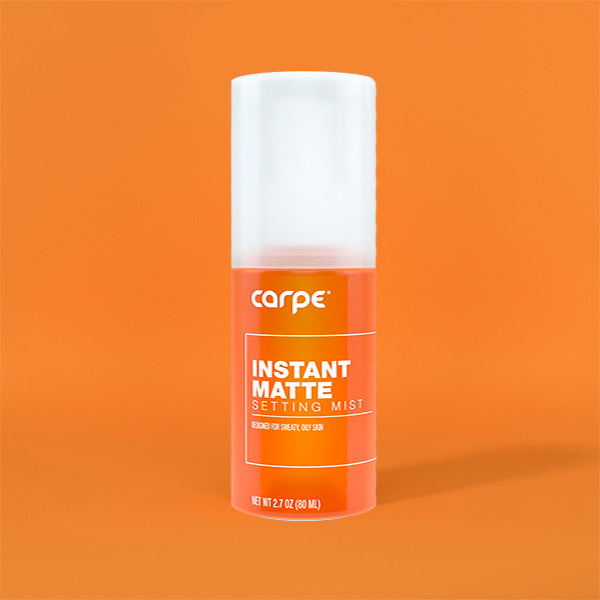
Carpe Face Lotion helps absorb sweat and minimize shine on the face and forehead. Carpe Breast Lotion is a quick-drying formula that helps reduce chafe and irritation in the under-breast area — a common problem when sweating increases.
What Should You Avoid During Postpartum Recovery?
While managing postpartum sweating, keep these tips in mind:
- Avoid caffeine and spicy foods before bed. Both can increase sweating and make night sweats worse.
- Don't skip hydration to reduce sweating. Dehydration won't reduce sweating — it will just make you feel worse.
- Don't over-layer at night. It's tempting to bundle up, especially during nighttime feedings, but heavy blankets trap heat and make sweating worse.
- Don't ignore persistent symptoms. If sweating is accompanied by fever, chills, heart palpitations, or continues past eight weeks, talk to your doctor.
When Should You See a Doctor?
Postpartum sweating is normal, but there are situations where it's worth seeking medical advice:
- Sweating continues at the same intensity beyond six to eight weeks
- You develop a fever above 100.4°F (38°C)
- You experience rapid heart rate, anxiety, or tremors alongside sweating
- You notice unexplained weight loss
These symptoms could indicate postpartum thyroiditis or another condition. The Mayo Clinic notes that thyroid problems are a known cause of secondary hyperhidrosis, and postpartum thyroiditis affects an estimated 5 to 10 percent of women after delivery.
The Bottom Line
Postpartum sweating is your body's natural way of recovering from pregnancy. It's temporary, it's common, and it's manageable. Focus on staying comfortable with breathable clothing, cool environments, plenty of water, and gentle, effective sweat-protection products.
Your body just did something extraordinary. A little extra sweat is a small price to pay — and it won't last forever.


